
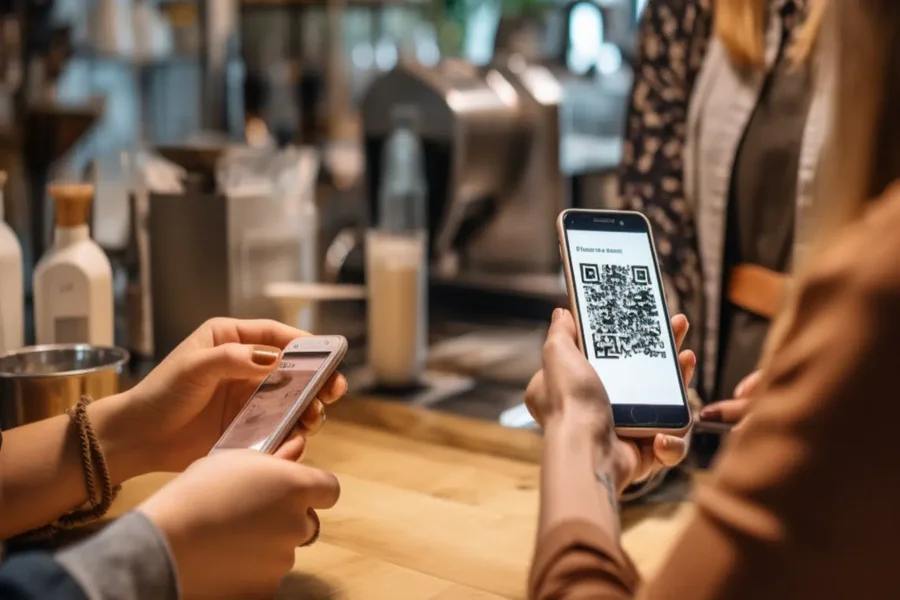
In the movement toward more sustainable events, digital tools have quietly become one of the most effective ways to reduce waste without sacrificing impact. From registration to real-time updates, going paperless no longer means cutting corners, but it means designing with intention. Platforms like Brown Paper Tickets, which offer seamless tools for planning and execution, help organizers reduce their environmental footprint while streamlining guest engagement from the first click to the final follow-up.
These tools improve both the guest experience and the planet by simplifying communication and eliminating paper-heavy processes. Sustainability doesn’t have to slow things down. In fact, digital-first planning often creates faster check-ins, clearer directions, and more personalized touchpoints. Done well, and paperless events feel smoother, not stripped down.
Reducing Paper Without Reducing Presence
For many organizers, the fear of going digital comes from a sense that paper creates a presence. A printed brochure, a thick badge, and a welcome packet feel tangible and real. Research shows that experience is shaped more by ease and emotional connection than by the volume of materials.
Digital tools can deliver just as much presence, if not more, when they’re thoughtfully applied. A beautifully designed event app, a mobile-friendly agenda, or a personalized check-in message feels intentional. It also puts less burden on the guest to carry, organize, or discard materials throughout the day. By cutting paper from the equation, planners also cut printing errors, freight emissions, and end-of-day trash bins filled with unread schedules. Plus, digital formats allow for real-time updates, no more scrambling when a speaker cancels or a room changes. With interactive features like live polls or Q&A, guests are no longer just attendees.
First Impressions Happen Online
Behavioral science tells us that first impressions are sticky. They set expectations and shape emotional responses. For events, that first impression often comes long before guests arrive, on the registration page, confirmation email, or event microsite. A clean, branded and accessible digital system builds trust early. It signals professionalism, foresight, and organization. Features like digital calendar holds, dynamic ticketing, and responsive design help attendees feel in control and informed.
Platforms like Brown Paper Tickets support this moment by offering customizable event pages, mobile check-in, and real-time updates. These digital tools reduce the need for printed instructions or mailed tickets while keeping the guest experience cohesive and stress-free.
Smart Check-In Replaces Paper Lines
Long lines at the entry create friction. Traditional check-ins with printed rosters, clipboards, or printed badges often slow things down. They’re also difficult to adjust when names are misspelled or last-minute guests arrive. Digital check-in apps allow guests to scan a QR code, confirm attendance with a tap, or check in via a kiosk, without waiting on paper-based systems. It cuts down on waiting time and reduces staffing needs at entrances.
Digital check-in also removes the need for physical name badges in many settings. Events that still require visual ID have the option to have digital badge generation completed onsite, reducing the risk of overprinting or waste. For hybrid events, these tools create consistent entry across platforms, making it easier for virtual and in-person attendees to receive the same welcome and access.
Digital Agendas Keep the Day on Track
Printed agendas are often outdated before the ink dries. If a speaker runs over or a breakout room changes, guests are left confused or chasing updates on a board. Digital agendas, whether hosted in an event app or mobile site, can be updated in real time. Guests get push notifications for important changes and can set reminders for their schedule.
It not only keeps the day on track, but it also keeps guests relaxed. They don’t have to carry a booklet or worry about missing something. Their phone becomes a personal guide. Digital materials also allow for deeper content, but speaker bios, links to resources, accessibility instructions and feedback forms can all live in one place, reducing the need for dozens of printouts that get tossed by day’s end.
Replacing Printed Signage with Smart Guidance
Signage is another major source of paper and foam core waste at events. While some signage is necessary for branding or wayfinding, much of it is temporary and single-use. Digital tools can replace this with dynamic displays, app-based maps or QR codes that let guests pull directions to their phone. Wayfinding apps with geolocation can guide guests in large venues without requiring printed floor plans.
This type of guidance saves material and creates a better guest experience. Visitors can move at their own pace, orient themselves quickly and find what they need without crowding. For smaller or pop-up events, digital displays can rotate information based on time, audience, or context. Something prints could never do without producing dozens of versions.
Paperless Surveys, Feedback and Follow-Up
Post-event engagement is a powerful part of the guest journey. But printed surveys or paper drop boxes rarely see high participation. Digital feedback forms, sent by email or pushed via event apps, make it easier for guests to share thoughts while the experience is fresh. They also allow for segmented responses, so organizers can ask different questions to sponsors, speakers or volunteers, all without reprinting different versions.
Follow-up emails, recap content, and thank-you messages can all be automated through the same platform that handles ticketing. Platforms like Brown Paper Tickets offer integrated tools for post-event outreach, keeping communication aligned without the need for paper or external systems.
Accessibility, Privacy and Flexibility
Digital tools can also increase accessibility. Fonts can be adjusted for readability, screen readers can parse content, and translations can be built into apps. Paper is static. Digital systems allow guests to interact on their terms. They also better protect guests’ data. Digital systems with built-in privacy protocols reduce the risk of lost paper records or misfiled forms.
Registration lists and contact details stay secure without being left in stacks on tables. This flexibility and respect for privacy contribute to a smoother experience. Guests feel like their needs were anticipated, their time was valued, and their information was handled with care.