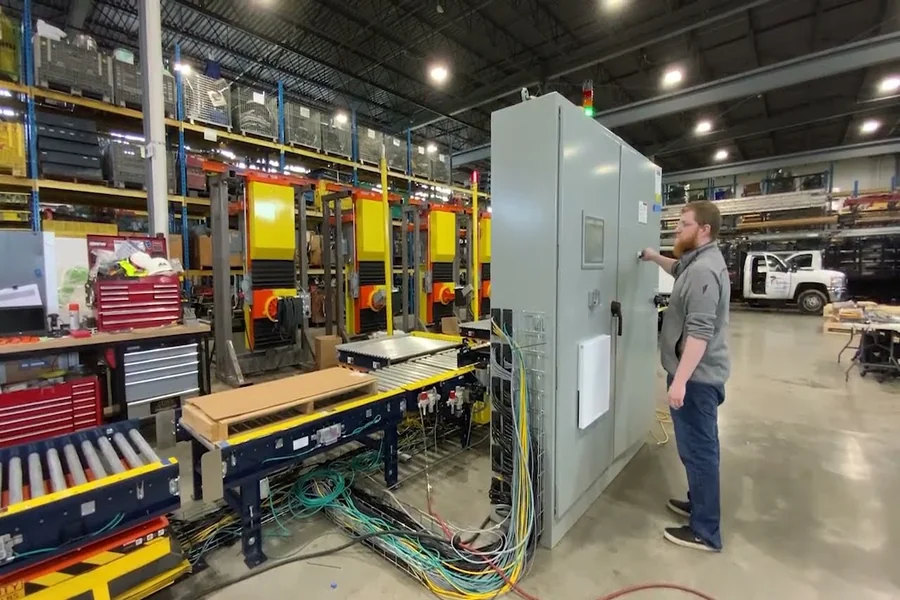
Factories run on precision, and even small inefficiencies can turn into major slowdowns. Workers see it daily—time wasted on manual tweaks, machines sitting idle, or entire lines out of sync. A well-built custom PLC system cuts through these barriers, showing how automation can solve issues that many plants assume are simply part of production.
Manual Machine Adjustments
Manual adjustments consume valuable time, especially in facilities where machines handle different products each shift. Operators often pause production to reset machinery, leading to wasted output hours. A custom PLC eliminates repetitive setup by storing programs for multiple tasks and applying them instantly. Once programmed, the system automatically handles configuration changes, which removes guesswork and keeps machines consistent.
Factories that work with a PLC programming company benefit from smarter setups. By integrating Rockwell Allen Bradley PLC solutions, adjustments that previously required operator intervention are automated. Instead of stopping the line for hours, workers press a button to load the correct parameters. Understanding what is PLC programming reveals why this system matters—by automating control logic, human involvement is reduced and production stays on pace.
Human Error in Production
Errors caused by operators can ruin batches of material or create expensive downtime. Incorrect measurements, overlooked steps, or missed signals often slip in under pressure. A custom PLC uses programmed logic to prevent these oversights. Sensors connected to the system detect issues instantly, and corrective actions are triggered automatically before mistakes reach the end product.
A Rockwell Allen Bradley PLC offers safeguards that reduce reliance on manual monitoring. For example, it can stop the line if incorrect material is loaded or if timing goes out of range. This kind of oversight from an automated system prevents the human errors that once cost plants thousands of dollars in scrap and rework. Factories adopting PLC programming find that production stabilizes with fewer wasted materials and smoother output.
Inefficient Material Flow
Bottlenecks often come from poor material handling. If raw materials don’t reach machines at the right pace, lines slow down and idle time increases. A custom PLC integrates with conveyor systems, robotic arms, and sensors to manage material delivery in real time. By controlling flow precisely, machines receive parts at the exact moment they are needed.
A PLC programming company can configure systems to monitor supply levels and trigger alerts before shortages occur. Rockwell Allen Bradley PLC systems are especially effective in coordinating multiple machines so that material never piles up or falls short. This constant flow keeps production running efficiently, cutting waste and maximizing uptime.
Unsynchronized Production Lines
Factories often rely on multiple machines running together, but if one falls out of sync, the entire line suffers. Traditional systems rely on operators watching and adjusting equipment manually, but that often leads to mismatched speeds. A custom PLC coordinates every machine in the sequence, ensuring synchronized timing.
Through PLC programming, sensors provide feedback across the line, allowing the system to adjust speeds instantly. This synchronization prevents backups and idle equipment. Rockwell Allen Bradley PLC solutions excel in large-scale operations where even minor timing errors can result in hours of downtime. By keeping machines in harmony, production lines run faster and with fewer interruptions.
Limited Data Collection
Without data, managers can’t see where losses occur or which machines slow production. Manual record-keeping often fails because it’s incomplete or inaccurate. A custom PLC records operating data continuously, capturing everything from cycle times to fault codes. This gives decision-makers a clear view of production efficiency.
A PLC programming company builds systems that connect directly to dashboards, making real-time performance data visible. Rockwell Allen Bradley PLC systems integrate easily with plant software, giving supervisors instant access to actionable information. Knowing what is PLC programming highlights this benefit—it’s not just about machine control but about creating visibility that supports smarter business decisions.
Slow Changeover Times
Changing from one product run to another often slows factories to a crawl. Operators may need to reset machinery, swap tools, and reprogram settings manually. This downtime cuts into daily output and leaves lines vulnerable to delays. With a custom PLC, pre-programmed changeovers happen at the press of a button, reducing downtime drastically.
A well-configured Rockwell Allen Bradley PLC stores multiple programs, making transitions seamless. PLC programming allows companies to standardize changeovers so operators no longer spend hours fine-tuning equipment. This means faster product shifts, higher productivity, and less frustration for workers managing daily operations.
Inconsistent Product Quality
Factories thrive on consistency, but human error and outdated controls create variability. Quality issues not only increase waste but also hurt customer trust. A custom PLC stabilizes processes by monitoring variables like temperature, pressure, and speed, making sure they stay within programmed ranges.
Rockwell Allen Bradley PLC systems provide precision control that standardizes product output. With PLC programming, plants can guarantee that every unit matches specifications. This consistency reduces rework, lowers scrap rates, and ensures customers receive the quality they expect every time.
Excessive Downtime for Troubleshooting
Machine breakdowns are inevitable, but excessive downtime often comes from slow troubleshooting. Operators may not know the root cause, leading to hours of trial and error. A custom PLC speeds up this process by generating detailed error codes that identify the exact issue. Maintenance teams can fix problems quickly instead of guessing.
A PLC programming company can design systems that not only detect failures but also suggest corrective actions. Rockwell Allen Bradley PLC systems excel in diagnostics, providing data that keeps maintenance efficient. By reducing troubleshooting time, factories spend less time idle and more time producing at full capacity.