
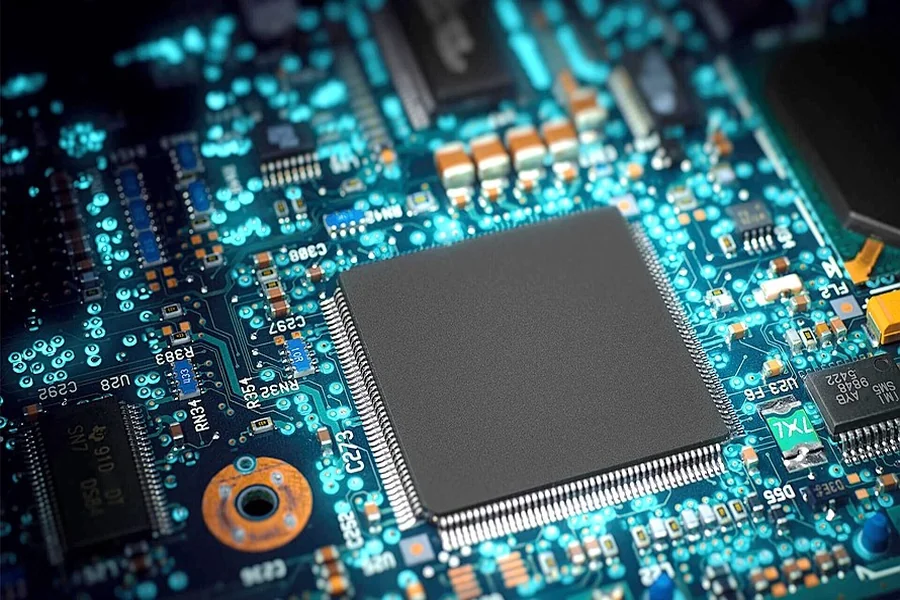
Low volume PCB assembly refers to the manufacturing and assembly of printed circuit boards in small batches, typically ranging from a few units to a few hundred pieces. This approach is ideal for startups, engineers, product developers, and companies working on prototypes, pilot runs, or early-market testing. Instead of committing to large-scale production, low volume PCB assembly gives manufacturers the flexibility to refine their designs, validate performance, and reduce risk before scaling to mass production.
In recent years, the demand for low volume PCB assembly has increased due to the rapid growth of IoT devices, custom electronics, medical wearables, industrial automation modules, and consumer gadgets. Businesses prefer starting with smaller batches to accelerate development cycles, minimize upfront investment, and optimize product quality. Low volume runs allow engineers to closely evaluate every detail—from component selection to signal integrity—ensuring that each board performs as expected.
Why Low Volume PCB Assembly Matters for Modern Electronics
Fast Prototyping and Quick Design Validation
Low volume PCB assembly plays a vital role in product development, especially during the prototyping stage. When engineers create new circuits or make updates to existing designs, they need fast turnaround and minimal investment. Small batch PCB assembly gives them the ability to test functionality, correct design flaws, and optimize performance before committing to a large order. This process reduces development delays and accelerates time-to-market, which is critical in today’s fast-paced electronics industry.
Cost-Effective and Low Risk for Startups
Startups and small companies often face budget constraints when developing new electronic products. Low volume PCB assembly helps reduce financial risk because it does not require large orders or high upfront manufacturing costs. It provides flexibility in experimenting with different PCB materials, layouts, and components without the pressure of large-scale commitments. For companies exploring new product lines or markets, this approach minimizes both cost and risk.
Ideal for Custom and Specialized Applications
Many industries require highly specialized PCBs that are not suitable for mass production. Examples include aerospace modules, medical devices, robotics components, and low-volume industrial sensors. Low volume PCB assembly supports custom layouts, unique materials, and high-precision components that would be impractical in mass production. This makes it perfect for niche applications where quality and precision outweigh quantity.
Key Features of Low Volume PCB Assembly
Flexibility in Design Changes
Since production runs are small, engineers can easily implement design updates between batches. This makes the development process more dynamic and responsive to performance feedback. Low volume PCB assembly is ideal for products that undergo multiple versions before reaching a final design.
High-Quality Production Standards
While the quantity is low, the quality expectations are often very high. Manufacturers use advanced automated equipment, precision inspection tools, and experienced technicians to ensure reliability. Small batches receive detailed attention, minimizing the chances of defects and improving final performance.
Support for Complex Technologies
Low volume PCB assembly handles a wide range of advanced technologies, including HDI PCBs, rigid-flex boards, micro-BGA components, fine-pitch ICs, and multilayer designs. Because each batch undergoes careful inspection, engineers can confidently test complex circuits without worrying about large-scale losses.
The Low Volume PCB Assembly Process
Design Review and Engineering Consultation
The process begins with a thorough engineering review of the PCB design files. Manufacturers check for potential issues related to trace width, layer stack-up, component placement, thermal management, and manufacturability. Design for Manufacturing (DFM) analysis ensures that the board can be produced reliably at small scale.
Component Sourcing and Material Selection
Once the design is approved, sourcing begins. Low volume PCB assembly often benefits from shorter lead times because fewer components are needed. Manufacturers choose high-quality, genuine parts from trusted suppliers to maintain reliability. For specialized applications, alternative components or materials can be quickly tested without the burden of large commitments.
Prototyping and Assembly
The assembly process uses automated SMT machines, reflow ovens, and inspection tools similar to those used in mass production. Since batches are smaller, technicians closely monitor each step, ensuring accuracy. Some low volume PCB assembly projects may require manual soldering for unique or large components.
Testing and Quality Control
Inspection is crucial for small-batch production. AOI, X-ray inspection, ICT, and functional testing verify that each board performs exactly as designed. The detailed attention given during this stage helps developers identify potential improvements before scaling production.
Applications of Low Volume PCB Assembly
Consumer Electronics and Startups
Wearables, IoT devices, smart home gadgets, and small electronics often begin with low volume PCB assembly to test market acceptance.
Medical and Healthcare Equipment
Precision medical sensors, portable diagnostic tools, and implantable devices typically require small-batch production for validation and regulatory testing.
Automotive and Industrial Solutions
Advanced driver-assistance systems (ADAS), engine control modules, robotics components, and industrial automation systems rely on low volume PCB assembly during early development.
Aerospace and Defense
High-reliability applications use low volume PCB assembly due to the need for customization, strict testing, and highly specialized materials.
Choosing the Right Partner for Low Volume PCB Assembly
The success of low volume PCB assembly depends heavily on the expertise, equipment, and reliability of the manufacturer. A professional partner ensures high-quality assembly, thorough testing, and quick turnaround while supporting design adjustments at every stage. If you are looking for precision, flexibility, and dependable production support for your prototypes or small-batch projects, collaborating with an experienced PCB assembly company can help you bring your ideas to life with confidence and efficiency.