
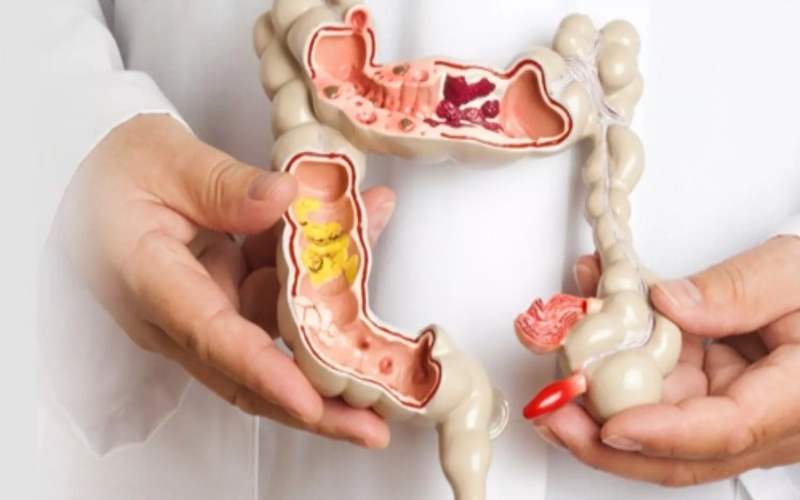
Irritable Bowel Syndrome (IBS) is a common gastrointestinal disorder that affects the large intestine. It is characterized by a group of symptoms, including abdominal pain, bloating, changes in bowel habits, and discomfort. While IBS doesn’t cause permanent damage to the digestive tract, it can significantly impact a person’s quality of life. Here’s an overview of IBS, including its symptoms, causes, and management:
Symptoms:
- Abdominal Pain and Discomfort:
Recurrent abdominal pain or discomfort is a hallmark symptom of IBS. The pain may be relieved by a bowel movement.
- Bowel Habit Changes:
IBS can cause changes in bowel habits, including diarrhea, constipation, or a combination of both. The frequency and consistency of stools may fluctuate.
- Bloating and Gas:
Many individuals with IBS experience bloating and increased gas production.
- Mucus in Stools:
Some people with IBS notice the presence of mucus in their stools.
- Urgency to Have a Bowel Movement:
A sense of urgency to have a bowel movement may be present, especially in individuals with diarrhea-predominant IBS.
- Incomplete Evacuation:
The feeling of incomplete evacuation after a bowel movement is another common symptom.
- Fatigue and Disrupted Sleep:
IBS can be associated with fatigue and disrupted sleep patterns, potentially due to the impact of symptoms on daily life.
Causes:
- Gut-Brain Axis Dysfunction:
Changes in the communication between the brain and the gut may contribute to IBS symptoms.
- Abnormal Gastrointestinal Motility:
Altered contractions of the muscles in the digestive tract can lead to changes in bowel habits.
- Visceral Hypersensitivity:
Increased sensitivity to pain from internal organs, known as visceral hypersensitivity, may contribute to abdominal discomfort. To get help with abdominal pain and discomfort refer to a Best Gastroenterologist in Lahore.
- Post-Infectious IBS:
Some cases of IBS may develop after a gastrointestinal infection.
- Intestinal Inflammation:
Low-grade inflammation in the intestines may be associated with IBS symptoms.
- Bacterial Overgrowth:
Changes in the balance of gut bacteria (microbiota) may play a role in IBS.
- Food Sensitivities:
Certain foods or food intolerances can trigger or exacerbate IBS symptoms.
- Diagnosis:
Diagnosing IBS involves a combination of medical history, symptom assessment, and ruling out other potential gastrointestinal conditions through tests such as blood tests, stool tests, and imaging studies.
Management:
- Dietary Changes:
Identifying and managing trigger foods can help alleviate symptoms. Some find relief with a low-FODMAP diet.
- Fiber Supplements:
Soluble fiber supplements may help regulate bowel movements.
- Probiotics:
Probiotics may be beneficial in some cases, as they can help restore a healthy balance of gut bacteria.
- Medications:
Medications may be prescribed based on the predominant symptoms:
- Antispasmodic medications for abdominal pain.
- Medications to regulate bowel movements (antidiarrheals or laxatives).
- Medications that affect serotonin levels in the gut.
Stress Management:
Stress can exacerbate IBS symptoms. Stress management techniques such as mindfulness, meditation, and relaxation exercises may be helpful.
Lifestyle Modifications:
Regular exercise, adequate sleep, and a consistent meal schedule can contribute to symptom management.
Counseling and Cognitive Behavioral Therapy (CBT):
Psychological therapies can be beneficial, especially in cases where stress and anxiety contribute to symptoms.
Conclusion:
Managing Irritable Bowel Syndrome involves a personalized approach, and it may take time to identify the most effective strategies for symptom relief. Individuals experiencing persistent gastrointestinal symptoms should seek guidance from a Best Gastroenterologist in Islamabad for proper diagnosis and management tailored to their specific needs.