
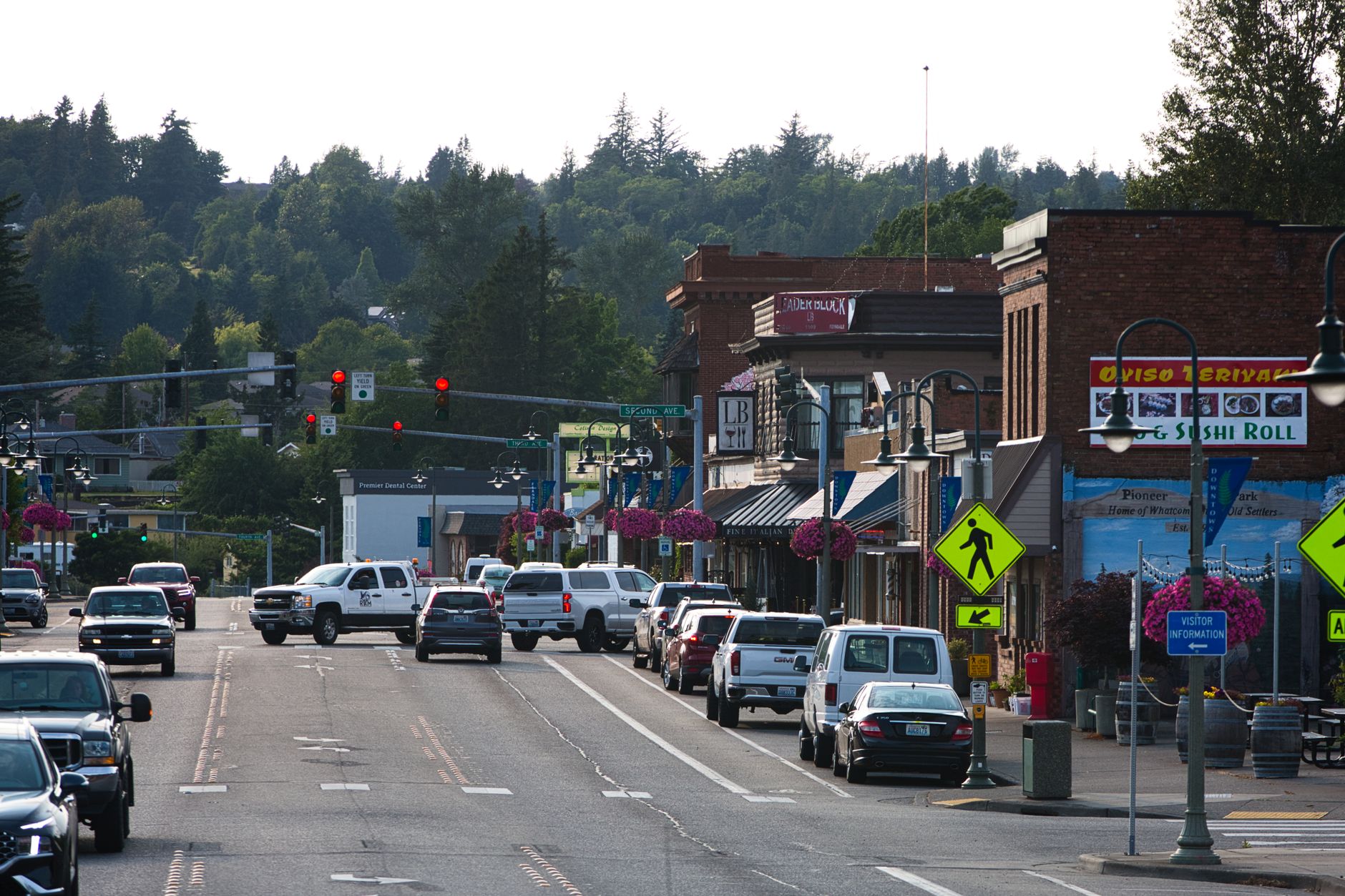
Growth changes a community in obvious ways. New homes appear. Roads get busier. More people arrive. New businesses open, and areas that once felt quiet can suddenly become much busier.
Some of that growth is exciting. It creates jobs, expands the tax base, brings new services to residents, and gives people more reasons to stay close to home when they shop or eat out.
But growth can also create an interesting challenge: How does a community get bigger without becoming interchangeable with every other growing community?
One answer is a strong local business district.
Places like Geneva, Illinois, show why downtowns and locally rooted commercial areas still matter. They give residents somewhere to gather, give independent businesses visibility, and help a community maintain an identity even as the surrounding region changes.
A Business District Gives People a Reason to Stay Local
People have more choices than ever about where to spend money. They can drive to another community, visit a large shopping center, order something online, or head into Chicago.
A strong local business district gives them another option: stay nearby.
That matters because spending locally can circulate through more than one business. Someone might go downtown for lunch, walk into a shop afterward, stop for coffee, and discover another business they had never noticed before.
That is one advantage of having businesses clustered together. A restaurant doesn't just attract customers for itself. It can also bring people within walking distance of neighboring businesses.
Geneva's downtown is a good example. The city describes it as a regional shopping and dining destination, with more than 100 independent restaurants and shops downtown. The community has created a district that serves residents while also attracting visitors from elsewhere in the Fox River Valley and the greater Chicago region.
For local leaders and business owners, the lesson is practical: think about the district as an ecosystem rather than a collection of unrelated storefronts. Events, shared promotions, pedestrian-friendly spaces, useful signage, and cooperation between businesses can make the entire area more attractive.
Independent Businesses Give a Community Personality
Large national businesses serve an important purpose. People like convenience, recognizable products, and predictable experiences.
However, if every community has exactly the same businesses, it becomes difficult for any one place to feel distinctive.
Independent businesses help solve that problem.
A restaurant with a local following, a shop that has operated for years, or a professional service business that knows its customers can become part of how residents describe their community. These places are not landmarks in the traditional sense, but they can become landmarks in people's personal lives.
That is particularly important as communities grow.
New development can add useful housing and commercial space, but growth does not automatically create character. That usually develops over time through the businesses, buildings, public spaces, and routines people associate with a place.
Discussions about Sean Powers Geneva and the area's business environment point to an important advantage communities like Geneva have: they can remain closely connected to the enormous Chicago economy while maintaining a commercial identity that is distinctly their own.
The goal should not be to resist change. It should be to ensure growth adds something, rather than simply replacing what made people care about the community in the first place.
Repeat Customers Are the Engine Behind Local Business
Local business districts also demonstrate something every company should understand: getting a customer once is very different from getting them to return.
A restaurant can attract someone because it is new. A shop can bring people in during an event. A service company can get a first customer through advertising or a referral.
The harder part comes next.
Was the experience good enough that the person wants to return?
Small businesses often live or die by that question. They usually cannot assume an unlimited supply of new customers. They need regulars, recommendations, and people who think of them first when they need something.
Research supports the broader importance of small businesses. According to the U.S. Small Business Administration, small businesses account for roughly 46% of private-sector employment in the United States. They are not a side story in the economy. They are a major part of it.
Business owners trying to build repeat traffic should start with simple questions. Are operating hours easy to find? Is the customer experience consistent? Do employees know how to handle problems? Is it easy for a first-time visitor to become a regular?
Those details are not glamorous, but neither is losing customers because nobody answered the phone.
Downtown Activity Can Create a Useful Chain Reaction
One interesting thing about a healthy business district is that activity can feed more activity.
A successful restaurant brings people downtown in the evening. Events introduce visitors to shops they might otherwise never see. Offices create daytime customers for restaurants and services. Nearby residents provide regular foot traffic.
The individual businesses are different, but their success can be connected.
That is why vacant storefronts matter too. One empty space is not necessarily a problem, but a concentration of vacancies can reduce foot traffic and make an entire block feel less active.
Communities can respond by making it easier for businesses to open and remain open. Clear permitting processes, useful small-business resources, well-maintained public areas, accessible parking, and community events can all help.
Property owners also have a role. Filling every space with the first available tenant may solve an immediate vacancy, but a healthy mix of restaurants, shops, services, entertainment, and other uses can make a district more useful throughout the day.
Growth Should Not Make Local Businesses an Afterthought
Growing communities face pressure to accommodate more residents and more commercial development. That often means larger projects and national businesses entering the market.
Those businesses can absolutely belong in a healthy local economy.
The mistake is treating the choice as national businesses versus independent businesses.
A strong community can support both.
Local leaders can focus on whether new development connects naturally with existing commercial areas. Developers can create spaces that smaller businesses can realistically occupy rather than designing every location around large tenants. Residents can make an effort to use local businesses when those businesses provide good products and service.
Local businesses also need to earn that support. Being independent does not automatically entitle a company to customers. Businesses still need competitive prices, reliable service, good products, and a reason for people to return.
"Shop local" works much better as an invitation than an obligation.
Successful Districts Need to Be Easy to Use
A charming business district is not much help if visiting it is frustrating.
Communities should look at the experience from the perspective of someone who does not already know the area. Is parking understandable? Are sidewalks comfortable? Can people safely cross busy streets? Is signage clear? Are public spaces maintained? Can visitors easily move between businesses?
Small improvements can make a surprisingly large difference.
Businesses can perform the same exercise from their side of the front door. They can walk through the customer experience from beginning to end. Is it obvious when the business is open? Can customers quickly understand what it offers? Does someone greet them? What happens if there is a problem?
A district becomes stronger when both the public environment and the individual businesses are easy to use.
A Growing Community Still Needs a Center
Growth is often discussed through numbers: population, housing units, new businesses, construction projects, and tax revenue.
Those numbers matter, but they don't fully describe a community.
People also need places they recognize. They need restaurants where they become regulars, businesses they trust, streets they enjoy walking, and areas where something is happening without requiring a major event.
That is why strong local business districts still matter.
They give growing communities a center of gravity. They allow old businesses and new businesses to exist alongside one another. They create opportunities for entrepreneurs while giving residents a reason to spend time closer to home.
Most importantly, they help growth feel like an expansion of a community rather than a replacement.
For places like Geneva and other growing communities throughout the Chicago region, that may be one of the most valuable things a local business district can provide.