
Tackling a DIY renovation project can be incredibly rewarding, but having the right materials on hand makes all the difference. Whether you’re revamping a room, building furniture, or adding a personal touch to your home, knowing which materials to use is essential. Here’s a rundown of some common materials that can help you renovate like a pro, along with practical tips for each.
Wood
Wood is one of the most versatile materials for any DIY project. From building furniture to creating accent walls, it provides durability and natural beauty. Softwoods like pine are great for indoor projects, while hardwoods such as oak and maple are perfect for pieces that need to withstand wear and tear. Plywood is also popular because it’s lightweight and easy to cut into various shapes.
When working with wood, sanding and sealing are crucial to ensure a smooth, long-lasting finish. Wood can also be stained or painted to match your décor, giving you endless design possibilities. Additionally, combining different types of wood can create striking visual contrasts in your project.
Drywall
Drywall is the go-to material for creating walls and ceilings. It’s relatively easy to install and can be cut to fit virtually any space. For a DIY enthusiast, drywall allows you to repair damaged walls, create new partitions, or even add texture for a unique look. Make sure to measure carefully and use the proper screws to secure panels to studs.
Once installed, joint compound and tape help create a seamless finish that can be painted over. Drywall is also fire-resistant, adding an extra layer of safety to your home. Understanding how to properly sand and prime it will ensure a professional appearance in your renovation.
Tiles
Tiles are perfect for adding both function and style to kitchens, bathrooms, and floors. Available in ceramic, porcelain, or natural stone, tiles are durable, easy to clean, and visually appealing. Planning the layout before installation ensures a polished result, and using spacers keeps grout lines even. Cutting tiles to fit corners or edges can seem tricky, but with the right tools, it becomes much easier.
Tiles also allow for creativity—you can mix patterns, colors, and sizes for a custom look. Beyond aesthetics, tile surfaces are highly resistant to moisture, making them ideal for areas prone to spills or humidity.
Paint
Paint is one of the easiest ways to transform a space. From walls and ceilings to furniture and decorative pieces, a fresh coat of paint can instantly refresh a room. Choosing the right type—matte, satin, or glossy—affects both appearance and durability. Preparation is key: cleaning surfaces, patching holes, and applying primer ensures the paint adheres properly.
Using quality brushes or rollers also helps achieve a smooth, streak-free finish. Paint can also be used creatively with stencils or tape to add patterns and textures. Even small DIY projects, like repainting a chair or shelf, can make a significant difference in your home.
Pallets
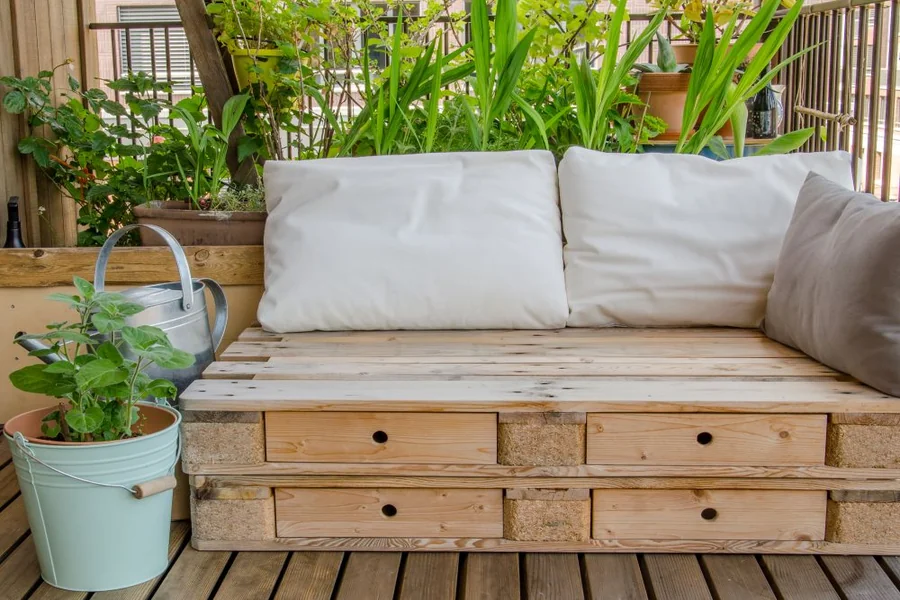
Pallets are a favorite among DIY enthusiasts for their affordability and versatility. These wooden structures can be transformed into furniture, garden planters, wall art, or shelving units. With some sanding, staining, or painting, pallets can take on a polished, professional look. Many people also repurpose block pallets for storage solutions, combining practicality with style.
Working with pallets encourages creativity, as each project can be tailored to your space and aesthetic. They are especially great for rustic or industrial designs, but with the right treatment, pallets can fit modern décor as well. Just make sure to inspect the wood for nails, cracks, or signs of wear before starting your project.
Hardware and Fasteners
No DIY project is complete without the right hardware and fasteners. Screws, nails, brackets, hinges, and bolts are essential for holding everything together. Choosing the correct size and type is crucial to ensure stability and safety. For outdoor projects, rust-resistant options are a must.
Hardware also includes handles, knobs, and hooks, which can enhance the functionality and look of your finished piece. Investing in quality tools and fasteners might cost a bit more upfront but saves time and prevents frustration in the long run. Organizing your hardware in labeled containers helps you quickly find what you need during a project.
Adhesives and Sealants
Adhesives and sealants are essential for bonding, sealing, and finishing your DIY projects. Wood glue, construction adhesive, silicone, and caulk each serve different purposes, so choosing the right one is key. Adhesives ensure strong joins without the need for extra hardware, while sealants protect surfaces from moisture and wear. When using them, proper surface preparation ensures a lasting result.
Many DIYers also use clear sealants to enhance the natural beauty of wood or stone. Sealants are particularly useful for kitchen and bathroom projects, where water exposure is high. Understanding which product works best for each material can make your renovation smoother and more professional-looking.
Conclusion
Renovating like a pro isn’t just about skill—it’s about using the right materials for each task. From wood and pallets to drywall, paint, and adhesives, each component has a role in creating a functional and beautiful space. Even simple projects can have a big impact when you choose materials wisely and prepare properly.
Incorporating block pallets into your DIY toolkit opens up creative possibilities, while tiles, paint, and hardware ensure your home feels both polished and personalized. With these materials on hand, your next project will be a success, no matter your experience level.