
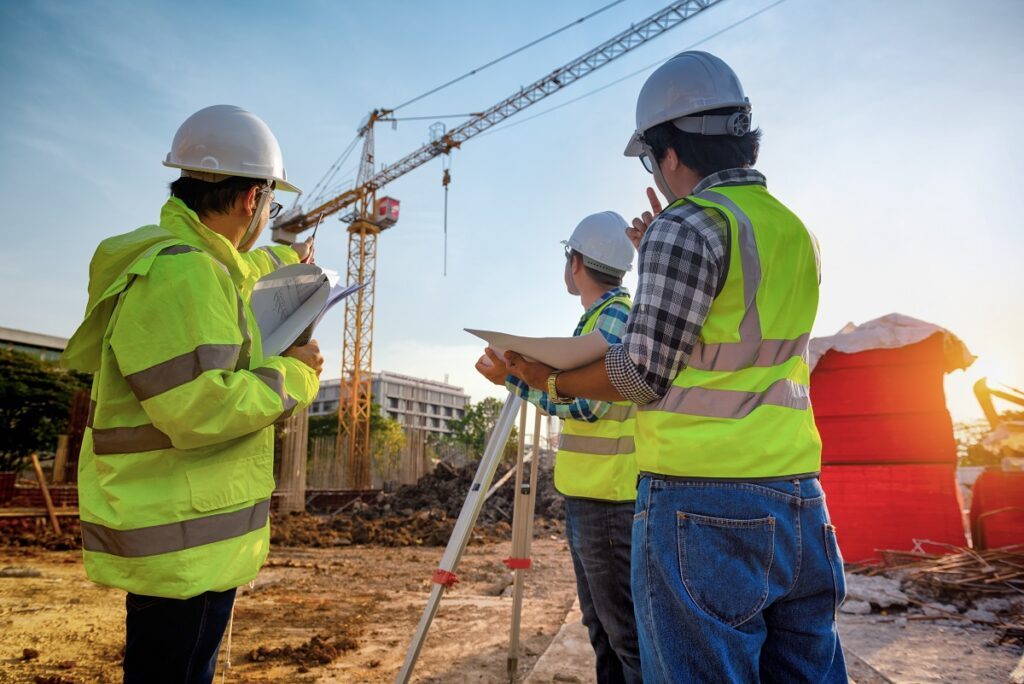
Anyone who has spent time around a construction site knows the finished building is only part of the story. Before the first piece of equipment arrives or the first beam is lifted into place, hours of planning have already taken place behind the scenes. Materials have been ordered. Measurements have been checked. Teams have reviewed schedules. Safety procedures have been discussed. Every successful construction project begins long before physical work starts.
Preparation is one of the biggest factors that separates smooth projects from stressful ones. Whether the job involves building a home, repairing a structure, or completing a commercial project, taking the time to prepare often saves countless hours later.
Construction professionals understand this lesson well because every decision made before work begins affects everything that follows.
Preparation Prevents Expensive Problems
One of the biggest misconceptions about construction is that progress is measured by how quickly work begins. In reality, experienced professionals know that moving too fast without a plan often creates delays instead of avoiding them.
The Construction Industry Institute has reported that improving front-end planning can significantly improve project cost and schedule performance. Careful planning also reduces rework, one of the most common sources of lost productivity on construction projects.
Preparation allows crews to identify potential challenges before they become expensive mistakes. Reviewing blueprints, checking material deliveries, confirming measurements, and making sure equipment is available all contribute to a smoother project.
As construction professional Joel Ney explains, "I've learned that the first hour of a project can save you an entire day later. I'd rather spend extra time making sure we have the right tools and understand the job than spend the afternoon fixing something that could have been avoided."
That practical mindset reflects years of working in construction and welding, where small mistakes can quickly affect an entire schedule.
Every Project Starts With a Plan
Preparation is much more than creating a checklist. It involves understanding the scope of the work and making sure everyone involved shares the same expectations.
Successful construction projects usually answer several important questions before work begins:
- What needs to be completed?
- What materials are required?
- Who is responsible for each task?
- What safety procedures should be followed?
- What challenges might arise during the project?
Answering these questions early helps crews work more efficiently and communicate more effectively throughout the project.
Planning also creates flexibility. Unexpected weather, shipping delays, or site conditions can quickly change a schedule. A well-prepared team is much better equipped to adjust without losing momentum.
Good Communication Builds Better Projects
Preparation is not only about materials and equipment. It is also about people.
Construction projects involve many moving parts. Contractors, welders, suppliers, equipment operators, inspectors, and clients all depend on accurate communication.
One missed conversation can create unnecessary confusion.
Ney recalls learning this lesson early in his career.
"When I was just getting started, I thought the hardest part was learning how to do the work," he says. "I realized pretty quickly that listening carefully was just as important. The experienced people on the crew had already seen most of the problems I was about to run into."
That willingness to learn from others became one of the habits that shaped his career.
Instead of assuming he already had the answers, he paid attention to experienced coworkers and asked questions whenever he had the opportunity.
Construction remains one of the few industries where practical knowledge is passed directly from one generation to the next every single day.
Organization Creates Efficiency
Construction sites are busy environments. Materials arrive throughout the day. Equipment moves between work areas. Multiple crews often complete different tasks simultaneously.
Without organization, productivity suffers.
Keeping tools where they belong, staging materials properly, and organizing work areas reduce wasted movement and help projects stay on schedule.
These improvements may seem small individually, but together they make a noticeable difference.
Think of preparation like assembling a puzzle. It is much easier when all the pieces are laid out first, rather than searching for each one as you go.
Construction works in much the same way.
Safety Begins Before Work Starts
Preparation also plays an important role in job site safety.
According to the Occupational Safety and Health Administration (OSHA), construction remains one of the industries with the highest number of workplace injuries each year. Many incidents can be reduced through proper planning, equipment inspections, hazard assessments, and safety meetings before work begins.
Taking a few extra minutes to review procedures helps everyone understand potential risks before they become real problems.
Safety is not separate from productivity. The two work together.
A safe project is usually a better-organized project.
Learning Never Stops
One reason experienced construction professionals continue improving throughout their careers is that every project teaches something new.
Different materials behave differently. Job sites present unique challenges. New equipment introduces more efficient ways of completing familiar tasks.
Ney believes learning should never stop.
"When I first got into construction, I was the new guy with very little experience," he says. "I made it a point to watch how experienced workers handled problems. A lot of things aren't written in manuals. You learn them by paying attention."
That attitude remains valuable regardless of experience level.
The construction industry continues to evolve, but curiosity and a willingness to improve remain timeless skills.
Practical Ways to Prepare for Any Construction Project
Preparation does not need to be complicated. A few simple habits can improve nearly every project.
Start by reviewing the scope of work before arriving on site. Confirm that materials, tools, and equipment are available and in good condition.
Walk through the work area before beginning. Look for anything that could slow progress or create a safety concern.
Communicate with everyone involved. Make sure responsibilities are clear and questions are answered before work starts.
Leave room in the schedule for unexpected changes. Construction projects rarely unfold exactly as planned, and flexibility helps reduce stress when adjustments become necessary.
Finally, treat every completed project as an opportunity to improve the next one. Reviewing what worked well and what could be done differently builds experience over time.
Building Success Before the First Nail
People often notice the finished building, but they rarely see the preparation that made it possible.
Every successful construction project reflects careful planning, organized teamwork, open communication, and a commitment to doing things the right way before the work begins.
Preparation may not be the most visible part of construction, but it is often the most valuable.
The strongest projects are not built by rushing to the finish line. They are built by taking the time to create a solid foundation before the first piece is ever put into place.